
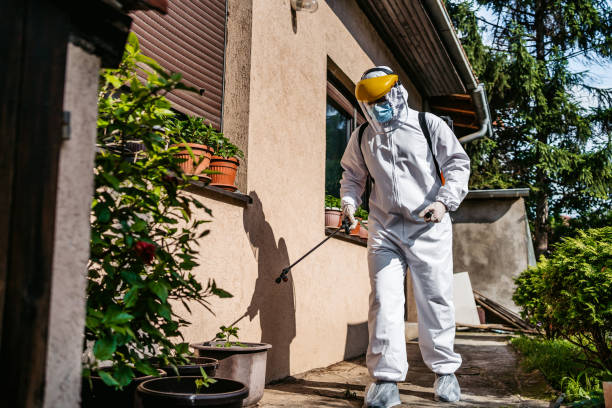
Many people believe that maintaining a clean and organized home is enough to keep pests at bay. While cleanliness is an important factor, it does not guarantee complete immunity from pest infestations. Pests are opportunistic creatures, and their survival instincts drive them to adapt to various conditions—even in homes that appear spotless.
Why Clean Homes Attract Pests
Even in the absence of dirt or visible food sources, pests can still find reasons to invade your home.
- Moisture: Leaky pipes, dripping faucets, or high levels of humidity can create a hospitable environment for many pests, such as cockroaches, ants, and silverfish.
- Hidden Food Sources: Crumbs under appliances or food residue in hard-to-reach places like between cabinets can still be sufficient for pests to thrive.
- Shelter Opportunities: Cluttered storage spaces, cracks in walls, or poorly sealed windows and doors provide safe hiding spots for insects and rodents.
- Natural Attractants: Plants inside the home or outdoor vegetation near windows and doors can lure pests indoors as they search for new shelter.
Common Pests Found in Clean Homes
A variety of pests can infest even the most orderly households.
| Pest | Why They Infest Clean Homes |
| Ants | Searching for water sources or sugary residues left behind |
| Cockroaches | Thrive in warm environments with access to moisture |
| Rodents | Seek shelter during colder months; small entry points act as gateways into homes |
| Spiders | Enter homes while hunting prey or finding dark corners to build webs |
| Silverfish | Attracted to paper products (books) and damp areas |
How Do Pests Get Inside Spotless Homes?
- Hitchhiking on Items: Luggage, grocery bags, secondhand furniture, or packages delivered to your doorstep may carry hidden pests like bed bugs or beetles.
- Structural Gaps: Cracks in walls, gaps around utility lines (pipes/wires), and improperly sealed windows allow easy entry points.
- Ventilation Systems: Many insects use vents as pathways into the interior of homes.
- Pet Pathways: Pets may bring fleas or ticks indoors after being outside.
Tips for Reducing Pest Risks
- Regularly inspect common entry points such as doors, windowsills, plumbing lines, vents, and chimneys.
- Repair leaks promptly and use dehumidifiers in areas prone to moisture buildup (e. g. , basements).
- Store food properly by using airtight containers.
- Keep trash bins sealed tightly both indoors and outdoors.
- Trim overgrown bushes or tree branches near the house’s exterior.
Maintaining cleanliness combined with proactive measures will help reduce the likelihood of a pest infestation—even if your home is already sparkling clean on the surface.
A Homeowner’s Guide to Oviedo Pest Control: How to Prepare for Effective Treatments
Preparing your home for a professional pest control treatment from https://www.oviedopestcontrol.net/ is essential for ensuring the process is both effective and safe. By taking the time to properly prepare, you can maximize the results of the extermination and help prevent future infestations. Here’s a step-by-step guide to ensure you’re ready when the exterminator arrives.
How to Prepare for Effective Pest Removal Oviedo FL
Before an exterminator begins their work, it’s crucial that your home is in a condition where they can access key areas and treat them thoroughly.
- Enhancing the effectiveness of pesticides or treatments.
- Ensuring safety for all household members, including children and pets.
- Avoiding contamination of food, dishes, or pantry supplies.
- Reducing re-infestation risks.
Important Steps to Prepare Your Home
- Clean Your Home Thoroughly
While professional pest control services will target pests directly, maintaining cleanliness ensures pests have fewer hiding places. - Clearing clutter from floors, countertops, and shelves.
- Vacuuming carpets, rugs, and furniture thoroughly.
- Washing bedding and linens in hot water.
- Remove Food Sources
Pests are often attracted to accessible food. - Store perishable foods in sealed containers or refrigerate them.
- Dispose of any open or expired food.
- Thoroughly clean crumbs from pantries, countertops, and under appliances.
- Move Furniture Away from Walls
Exterminators need access to baseboards and corners where pests often hide. Move large pieces of furniture like sofas or beds at least 2–3 feet away from walls if possible. - Vacate Pets and Cover Aquariums
Many pest control products can be harmful to animals: - Relocate pets (dogs, cats, birds) during treatment.
- Cover fish tanks with plastic wrap and turn off air pumps temporarily.
- Empty Cabinets Where Necessary
For treatments targeting specific pests like cockroaches or ants: - Remove all items from kitchen cupboards or bathroom vanities if requested by your exterminator.
- Place these items in sealed bags or boxes until after treatments are complete.
- Seal Entry Points and Fix Leaks
Pests like rodents thrive in areas with easy access: - Inspect your home for cracks around windows, doors, or vents; seal them before treatment begins.
- Repair any water leaks as damp environments attract many pests.
What Not To Do Before Treatment
| Common Mistake | Why It’s Problematic |
| Using DIY Sprays | May counteract professional treatments |
| Leaving Clutter | Blocks access points needed for exterminators |
| Staying During Treatment | Can result in exposure to chemicals |
Post-Treatment Tips
After the exterminator has completed their work:
– Wait until advised before re-entering treated areas.
– Clean surfaces only as directed by your pest control provider—over-cleaning may reduce pesticide effectiveness.
– Monitor for recurring activity over the next few weeks as some infestations take time to fully resolve.
Preparing your home ahead of an extermination not only makes it easier for professionals but also ensures a safer environment during treatment while improving long-term protection against pests.
Understanding Pest Behavior and Survival: The Key to Protecting Your Home from Unwanted Guests
Understanding how pests behave and survive is critical when it comes to safeguarding your home from infestations. Even in clean homes, pests can thrive if they find the right conditions. By learning about their habits, survival tactics, and weaknesses, homeowners can take proactive steps to prevent unwelcome guests.
Why Understanding Pest Behavior is Essential
Pests are not random invaders; they are driven by specific needs such as food, water, and shelter. This knowledge can help homeowners spot vulnerabilities in their homes and implement targeted prevention strategies.
- Targeted Prevention Measures: Knowing what attracts pests allows you to address the root causes of infestations.
- Early Detection: Recognizing behavioral patterns can help identify pest activity before it becomes a major problem.
- Efficient Control Solutions: Tailoring pest control methods based on behavior ensures better results with fewer resources.
How Pests Survive in Seemingly Inhospitable Conditions
Pests have evolved to survive in various environments, including clean homes.
| Factor | Explanation |
| Adaptability | Many pests, like cockroaches and rodents, adapt quickly to changing conditions. |
| Small Size | Their small size allows them to hide in cracks, crevices, and other hard-to-detect areas. |
| Nocturnal Nature | Most pests are active at night when humans aren’t around to notice them. |
| Resilience | Pests often have high reproductive rates or can go without food for extended periods. |
Common Pest Behaviors That Impact Homes
- Seeking Shelter’s look for warm, humid areas like basements, attics, and wall voids during extreme weather.
- Food Scavenging: Even crumbs or spills that go unnoticed by humans can provide sustenance for pests like ants or mice.
- Breeding Habits: Many species reproduce rapidly under favorable conditions—cluttered storage spaces or undisturbed corners are ideal nesting sites.
- Entry Through Small Openings: Pests exploit tiny gaps in windowsills, foundations, or vents as entry points.
Effective Ways to Use This Knowledge Against Pests
- Seal Entry Points: Inspect your home’s exterior for cracks or openings and seal them with caulk or mesh screens.
- Eliminate Moisture Sources: Fix leaky pipes, use dehumidifiers in damp areas, and ensure proper drainage around the house.
- Practice Good Food Hygiene: Store all food items in airtight containers and regularly clean kitchen surfaces.
- Declutter Regularly: Remove unnecessary items from storage areas that could provide hiding places for pests.
- Monitor High-Risk Areas: Pay attention to basements, crawl spaces, attics, and any dark corners where pests may hide.
Understanding pest behavior is not only about reacting when you see signs of an infestation but also about taking preventative measures before problems arise. Equipped with this knowledge of how pests operate within your living space will allow you to keep your home safe from unwanted invaders year-round.
Identifying Hidden Infestations Early with the Help of an Exterminator Oviedo FL
Even the cleanest homes are not immune to pest infestations. In fact, many pests can thrive in spotless environments due to factors such as warmth, access to food sources, and hidden entry points. Identifying early signs of pest activity is critical for preventing minor issues from escalating into full-blown infestations. Below, we outline key signs homeowners should watch for when monitoring their spaces.
Unusual Sounds and Movements
Pests often give themselves a way through the noises they make while moving or nesting.
Pay attention to:
– Scratching or rustling sounds coming from walls, ceilings, or attics (common with rodents).
– Buzzing sounds that might indicate wasps, bees, or flies.
– Scuttling noises at night, which could suggest cockroach activity.
Droppings and Urine Trails
Pest droppings are a direct indicator of an infestation.
Urine trails may also be present with rodents and can emit an ammonia-like odor.
Physical Damage
Look for structural damage or disturbances that pests may leave behind:
– Gnawed wood furniture or baseboards (often caused by rodents).
– Holes in food packaging.
– Chewed electrical wires.
– Frayed fabrics caused by moths or carpet beetles.
Grease Marks and Smudges

Rodents often leave greasy trails as they travel along walls and through tight spaces. These marks can appear as smudges on surfaces frequently used as pathways.
Odors Associated with Pests
Unusual odors may signal a pest infestation:
– A stale smell near possible nesting areas could point to rodents.
– A musty odor is often associated with cockroaches.
– Sweet yet unpleasant scents may indicate bed bugs.
Dead Pests
Finding dead insects or pests inside your home can be an early warning sign. Check windowsills, corners of rooms, and beneath furniture for carcasses.
Nesting Evidence
Pests like mice and rats construct nests using soft materials such as shredded paper, fabric, insulation, or dried leaves. Look for hidden nests under appliances, inside wall voids, or in basements.
Tips for Early Detection
Regular inspections can help you identify potential infestations before they worsen. Here’s how you can stay proactive:
1. Check rarely used storage areas like attics and basements regularly.
2. Inspect food items and packaging for tears or holes before bringing them indoors.
3. Monitor high-moisture areas like bathrooms and kitchens where pests are likely to gather.
4. Install pest monitors — such as glue boards — in strategic locations around the home to detect activity early on.
By staying vigilant and understanding these subtle signs of pest activity in even the cleanest homes, you can act quickly to address issues before they become major problems that require extensive treatment plans. Monitoring your living space consistently is key to maintaining a pest-free environment year-round.
Rodents such as rats and mice can cause significant damage to your property, spread diseases, and contaminate food. Maintaining a rodent-free home requires proactive measures, even in clean and organized households. Below are six practical steps to protect your home from rodent infestations.
Rodents can squeeze through surprisingly small openings—gaps as small as a quarter inch for mice or half an inch for rats are sufficient for them to gain access.
– Doors and windows
– Plumbing pipes and utility lines
– Roof vents and chimneys
– Foundations and walls
Use materials like steel wool, caulk, or hardware cloth to seal these entry points effectively. Avoid using materials such as plastic or wood that rodents can chew through.
While cleanliness alone won’t guarantee a rodent-free home, it does remove potential food sources that attract them.
– Clean up crumbs and spills immediately in kitchens and dining areas.
Clutter provides rodents with hiding spots both inside the house and around its exterior.
Indoors:
– Keep storage areas organized by storing items in sealed plastic containers rather than cardboard boxes.
– Clear out unused materials like newspapers or old clothes that may serve as nesting sites.
Outdoors:
– Trim overgrown vegetation near the foundation of the house.
– Remove debris piles such as firewood stacked directly against walls.
A well-maintained environment discourages rodents from building nests nearby.
Rodents require water just as much as food to survive.
– Repairing leaky faucets or pipes promptly.
– Ensuring gutters are clear of debris so water doesn’t collect near the foundation.
– Using dehumidifiers in basements or crawl spaces where moisture tends to accumulate.
Limiting water sources within your home will make it less hospitable for rodents.
Your yard plays a critical role in deterring—or attracting—rodents to your home’s perimeter: | Landscaping Tips | How It Helps | |———————————–|———————————————| | Keep grass trimmed short | Reduces hiding spaces for rodents | | Use gravel instead of mulch | Deters burrowing activities near your walls | | Install metal barriers on trees | Prevents climbing access into roofs |
Taking these precautions lowers the risk of outdoor rodents migrating indoors.
Regular inspections ensure you catch potential infestations early before they escalate into larger problems:
1. Look for droppings along baseboards or behind appliances.
2. Check corners of attics, basements, or garages for shredded nesting material.
3. Listen at night when rodents are most active—scratching sounds may indicate their presence.
If you notice signs of activity despite preventive measures, contact a professional pest control expert promptly for further evaluation.
By following these six steps consistently, homeowners can significantly reduce their chances of dealing with rodent infestations while maintaining peace of mind in their living spaces.
Rodents, such as mice and rats, are not only destructive but also carriers of diseases that can pose significant health risks. Preventing a rodent infestation in your home requires proactive measures to eliminate entry points, minimize attractants, and maintain a clean environment. Below are six practical steps you can take to safeguard your home from these unwelcome pests.
Rodents can squeeze through surprisingly small openings, making it essential to inspect your home for potential entry points.
– Cracks and gaps: Use caulk or expanding foam to seal cracks in walls, floors, and around utility pipes.
– Doors and windows: Ensure weatherstripping is intact and install door sweeps if needed.
– Vents and chimneys: Cover these with mesh screens to prevent rodents from entering without obstructing airflow.
A thorough inspection of your home’s foundation, roofline, and external walls will help identify vulnerabilities.
Rodents are drawn to accessible food sources.
– Store dry goods like grains, cereals, and pet food in airtight containers made of metal or thick plastic.
– Avoid leaving food out on counters or exposed overnight.
– Regularly clean up crumbs and spills in the kitchen or dining areas.
Taking these precautions reduces the likelihood of rodents finding sustenance in your home.
While cleanliness alone cannot entirely prevent infestations, it does eliminate key attractants for rodents:
– Vacuum floors regularly to remove food particles.
– Dispose of garbage daily using bins with tight-fitting lids.
– Declutter storage areas such as basements or garages where rodents may hide.
Reducing clutter also makes it harder for rodents to find nesting spots within your home.
The exterior of your property plays a critical role in deterring rodent activity indoors:
– Trim back vegetation that touches your house as it can serve as a bridge for rodents seeking access.
– Keep firewood at least 20 feet away from the house and elevated off the ground.
– Secure compost bins tightly and avoid placing them directly against walls.
By managing outdoor conditions strategically, you minimize opportunities for rodents to enter your home from outside.
Using traps or bait stations around known hotspots can act as an early line of defense against rodent intrusion: | Type | Pros | Cons | |————-|——————————–|————————————-| | Snap Traps | Quick results; reusable | Requires frequent monitoring | | Glue Boards | Easy setup; cost-effective | May not kill instantly (inhumane) | | Bait Boxes | Long-lasting; good for outdoors| Potential risk if pets/children access |
Place traps near suspected entryways like baseboards and behind appliances while ensuring they remain inaccessible to pets or children.
Even with prevention measures in place, vigilance is crucial:
– Inspect common hiding spots such as under sinks, inside cabinets, or behind appliances for droppings or gnaw marks.
– Listen for scratching noises in walls or ceilings that may indicate rodent activity.
– If signs of infestation appear despite preventive efforts, contact a professional pest control service immediately for effective resolution.
Prompt detection allows homeowners to address potential infestations before they escalate into larger issues.
By implementing these six steps consistently throughout the year—especially during colder months when rodents seek warmth indoors—you can reduce the risk of infestations while maintaining a safer environment for you and your family.
How Pests Sneak into Clean Homes: Exploring the Surprising Entry Points for Unwelcome Visitors
Even the cleanest homes are not entirely immune to pest invasions. While maintaining a spotless and well-kept environment can help reduce the risk of infestations, it does not guarantee complete protection. Many pests are masters of exploitation, finding ways to enter your home despite your best efforts. Understanding how and where these unwelcome visitors gain access is essential in guarding against them effectively.
Common Entry Points for Pests
Pests often exploit weak points in a home’s structure or areas that are difficult to detect.
- Small cracks in walls, foundations, or gaps around window frames provide entry points for ants, cockroaches, and spiders. Rodents such as mice can squeeze through holes as small as a dime.
- Improperly sealed doors or windows can leave minuscule spaces that pests like flies, mosquitoes, or even rodents can crawl through.
- Torn window screens also serve as easy access points.
- Unscreened vents or poorly maintained HVAC systems can serve as highways for insects such as cockroaches, spiders, or small rodents.
- Chimneys without proper caps may allow birds or squirrels to enter.
- Gaps around pipes under sinks or where plumbing enters walls often provide a perfect gateway for pests like cockroaches and rats.
- Missing shingles, unsealed roof vents, and other roofing defects invite pests such as bats or squirrels.
- Gutters clogged with debris create an ideal nesting area for insects.
- Utility lines entering your home often leave small openings that rodents can easily navigate.
Factors That Attract Pests
- Moisture Sources Leaking pipes, standing water in sinks or tubs, or damp basements attract pests like termites, cockroaches, and silverfish.
- Food Odors Even crumbs left behind after cleaning may lure ants.
- Shelter Opportunities Dark spaces such as attics and basements offer safe hiding places.
Preventing Entry: Practical Tips
- Seal gaps around doors and windows using weatherstripping or caulk.
- Regularly inspect your home’s foundation for cracks; repair promptly if found.
- Install mesh screens over vents and chimneys to block pest access.
- Keep gutters clear of leaves to prevent nesting opportunities.
- Use steel wool to block holes near utility lines since many pests cannot chew through it.
| Problem Area | Solution | Tools Needed |
| Cracks in walls | Seal with caulk | Caulking gun |
| Torn window screens | Replace with new mesh | Screen replacement kit |
| Gaps under doors | Install door sweeps | Door sweep kit |
| Chimney openings | Add chimney caps | Metal chimney cap |
Final Thoughts
Knowing how pests sneak into even clean homes helps homeowners stay vigilant about potential vulnerabilities in their properties. Applying proactive measures reduces the risk of infestations significantly while creating an inhospitable environment for unwanted visitors. Regular inspections combined with proper maintenance will help ensure that your spotless sanctuary remains pest-free year-round.
- Why an Oviedo FL Pest Control Company is Essential Even for the Cleanest Homes
- Ensuring a Safe and Effective Process with an Oviedo FL Pest Control Company Before and After Treatment
- Effective Fly Infestation Solutions from an Exterminator in Oviedo FL
- Effective Pest Control Marketing Strategies for Exterminator Oviedo FL Businesses
- Effective Pest Removal Strategies from an Exterminator Oviedo FL: How to Detect Hidden Pests Early
- How an Oviedo FL Pest Control Company Can Help Prevent Pest-Related Mental Health Issues
- How an Exterminator Oviedo FL Recommends Preventing Pest Recurrence Through Regular Cleaning