
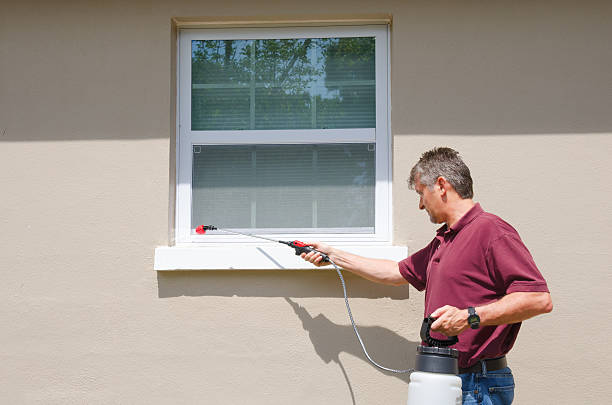
Pest control treatments are an essential step in maintaining a healthy, pest-free environment at home or in the workplace. However, to achieve the best results and ensure safety for everyone involved, it is crucial to follow specific steps both before and after the treatment. Below is a guide to help you navigate this process effectively.
Steps to Take Before Pest Control Treatment
- Declutter the targeted areas:
Clear out areas where pests are most likely hiding or breeding. This could include spaces under sinks, closets, storage areas, or corners of rooms. - Remove food and kitchen items:
Store all food items in sealed containers or remove them from treatment areas entirely. Empty cabinets, countertops, and pantries as needed. This step prevents contamination while allowing full access for pest control professionals. - Vacuum carpets and clean floors:
Thoroughly vacuuming carpets and cleaning floors will eliminate crumbs, debris, and pest droppings that may be present. - Cover aquariums or pet enclosures:
If you have pets like fish or reptiles in tanks or cages, cover their enclosures tightly with plastic wrap. Consider turning off air pumps temporarily during treatment. - Relocate houseplants (if necessary):
Some treatments may not be safe for plants if they come into direct contact with certain chemicals. Move them away from treated zones.
| Preparation Task | Purpose |
| Decluttering | Provides access to hidden spaces where pests might reside |
| Food Removal | Prevents contamination of food sources |
| Cleaning Surfaces | Eliminates potential pest attractants like crumbs |
| Pet Safety Measures | Protects pets from exposure to harmful chemicals |
Actions to Take After Pest Control Treatment
- Avoid cleaning treated surfaces immediately:
Allow pesticides or sprays sufficient time to settle and work effectively. Follow your service provider’s instructions on when it is safe to clean treated areas. - Dispose of contaminated items properly:
If any items were exposed directly during the treatment (e.g., open food packets), discard them safely. - Monitor pest activity regularly:
Observe whether there is any continued movement of pests post-treatment. Dead pests may also be visible; dispose of these promptly while wearing gloves. - Repair entry points immediately:
Check for cracks in walls, holes near pipes, or gaps under doors that could allow future infestations. Seal these entry points using caulk or weatherstripping as appropriate.
Safety Priorities During Both Phases
- Always wear gloves when handling contaminated objects.
- Keep children and pets away from treated zones until deemed safe by professionals.
- Ventilate your space by opening windows after treatment if advised by your pest control provider.
- Store leftover products securely if you’re conducting DIY applications; ensure proper labeling for future reference.
By adhering to these guidelines before and after a pest control session, you not only maximize its effectiveness but also sustain a safer living environment over time.
Effective Oviedo Pest Control Services for Comprehensive Pest Management
When dealing with pest infestations, many homeowners are tempted to turn to do-it-yourself (DIY) solutions. While these methods might provide temporary relief, they often fail to address the root cause of the problem. Professional pest control services offer a comprehensive approach that ensures long-term effectiveness and safety. Below, we explore why relying on professional pest control services is essential for effective pest management.
Professional Pest Removal Oviedo FL Services
- Determine the extent of an infestation.
- Identify the specific species causing problems.
- Implement targeted treatment strategies tailored to each pest type.
Unlike DIY methods, which often involve trial and error, professionals use evidence-based techniques that maximize efficiency while minimizing harm to the environment.
Safe Use of Pesticides
- Select low-toxicity or eco-friendly products whenever possible.
- Follow strict guidelines for pesticide application.
- Take measures to minimize exposure risks during and after treatment.
This ensures your family’s safety while still effectively eliminating pests.
Comprehensive Inspection and Prevention Strategies
| Factors Conducive to Pests | Examples |
| Moisture issues | Leaking pipes or standing water |
| Structural vulnerabilities | Cracks in walls or poorly sealed windows |
| Cluttered areas | Stacks of cardboard boxes or debris |
By pinpointing these factors, professionals develop preventive strategies that reduce the likelihood of future infestations.
Access to Advanced Tools and Techniques
- High-powered vacuums for bed bug removal.
- Infrared cameras for detecting termite activity inside walls.
- Baits designed specifically for difficult-to-control pests like ants or cockroaches.
- Advanced traps tailored for rodents.
These tools enable professionals to tackle even severe infestations efficiently without resorting solely to chemical treatments.
Customized Treatment Plans
- Type(s) of pests present.
- Severity of infestation.
- Environmental factors around your property (e.g., nearby vegetation or water sources).
- Household-specific concerns such as allergies or pets.
This personalized approach ensures optimal results compared with generic over-the-counter solutions.
Long-Term Cost Savings
Though some homeowners hesitate due to initial costs associated with professional services, investing in skilled extermination often saves money over time by preventing recurrent infestations or costly structural damage caused by pests like termites or rodents.
| DIY Methods | Professional Services |
| May require repeated applications | Typically resolves issue in fewer visits |
| Limited effectiveness on hidden problems | Addresses root causes directly |
| Risky chemical handling | Safe application by certified experts |
Spending slightly more upfront reduces potential expenses down the line due both recurring treatments needed when insufficiently managed alone along additional repairs necessary due prolonged-undetected damages left untreated .
Effective-management means peace knowing living spaces healthier cleaner safer children adults alike future-proofed consistent monitoring advice tips ongoing basis .
The Importance of Professional Pest Control Services for Effective Pest Management
Pest infestations can be a persistent and frustrating issue for homeowners and businesses alike. While DIY pest control methods might be tempting due to their lower upfront costs, professional pest control services provide a more effective, long-term solution. Here’s why relying on professionals is crucial for managing pests effectively and protecting your property.
Expertise and Knowledge
One of the primary advantages of professional pest control services is the expertise that trained technicians bring to the table. Professionals understand:
– Pest Behavior: Technicians are trained to identify common pests, their nesting habits, reproduction cycles, and vulnerabilities.
– Treatment Techniques: They use proven methods tailored to specific pests, ensuring maximum effectiveness while minimizing risks to people, pets, and the environment.
– Regulations: Professionals are knowledgeable about local pesticide regulations, ensuring that treatments are safe and legally compliant.
Customized Treatment Plans
No two pest infestations are identical; each situation requires a unique approach:
– Professionals conduct thorough inspections to assess the infestation’s extent.
– Based on their findings, they develop a customized treatment plan targeting the root cause rather than just addressing surface-level issues.
– Preventative measures are included in these plans to help avoid future infestations.
| Pest Type | Common Entry Point | Recommended Treatment | Long-Term Measures |
| Ants | Cracks in walls/floors | Bait traps/gel applications | Sealing cracks; removing food crumbs |
| Termites | Wood structures | Liquid termiticides | Routine inspections; wood treatment |
| Rodents | Holes/gaps in walls | Traps; rodenticides | Sealing entry points; proper waste disposal |
Use of Advanced Tools and Products
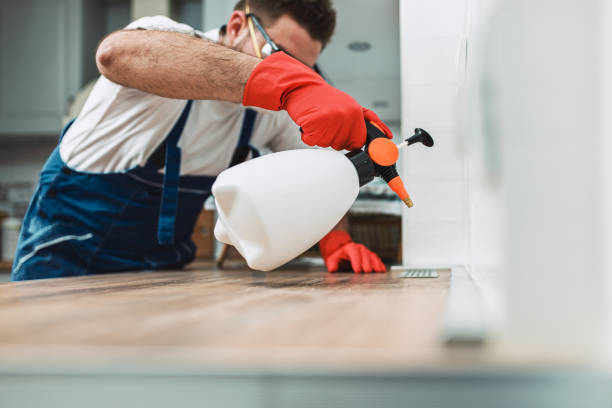
Professional pest control companies have access to tools and treatments unavailable to the general public.
These include:
1. Industrial-grade pesticides with higher efficacy and longer-lasting effects compared to over-the-counter options.
2. Specialized equipment, such as heat treatment machines or fumigation tents used for severe infestations like bed bugs or termites.
3. Eco-friendly solutions designed for environmentally conscious clients who prefer non-toxic alternatives.
Safety Assurance
Handling pesticides improperly can pose significant risks to health and safety:
– Professionals ensure safe application by using proper protective equipment (PPE) during treatments.
– They educate clients on post-treatment precautions necessary for maintaining a safe living or working environment.
– By adhering to safety protocols, they minimize exposure risks for occupants.
Cost-effectiveness in the Long Run
Although professional services may seem costly upfront, they often save money over time by preventing recurrent infestations:
1. DIY methods may provide temporary relief but fail at addressing underlying problems.
2. Ineffective treatments could lead to property damage (e.g., termite damage) that becomes exponentially costly if left untreated.
3. Professional-grade solutions eliminate pests more efficiently than trial-and-error approaches commonly associated with DIY efforts.
Ongoing Monitoring Support
Many pest control companies offer ongoing monitoring services as part of their packages:
– Regular inspections help detect early signs of new infestations.
– Maintenance plans ensure that preventive measures remain intact over months or years. This proactive approach reduces the likelihood of reinfestation significantly.
Hiring a professional service means entrusting experts with safeguarding your home or business from harmful pests efficiently, safely, and sustainably—offering peace of mind while protecting your investment from potential damage caused by unchecked infestations.
Preparation Steps to Take Before Pest Control Treatment for Maximum Effectiveness
Proper preparation before a pest control treatment is essential to ensure the process is both safe and effective. By taking specific steps, you can maximize the impact of the treatment while protecting your household from potential exposure to chemicals or other pest control methods. Below is a detailed guide on what you need to do before pest control professionals arrive.
1. Clean Up the Area
Before any pest control treatment, it’s crucial to clean and declutter your home. This serves two purposes: it removes hiding spots for pests and ensures access to areas that need treatment.
Cleaning checklist:
– Vacuum carpets, rugs, and upholstery thoroughly.
– Mop floors to remove food crumbs or spills that might attract pests.
– Wipe down countertops, cabinets, and other surfaces in kitchens and bathrooms.
– Store food items in sealed containers or move them out of the treatment area temporarily.
2. Store Belongings Safely
To protect personal items from contamination during treatment:
– Cover furniture with plastic sheets if advised by your pest control provider.
– Remove small objects like toys, books, and decor from the targeted areas.
– Store clothing, bedding, and pet supplies in sealed bags or containers if required.
3. Plan for Pets and Plants
Pest control treatments often involve chemicals that could harm pets or plants if exposed unnecessarily.
Steps to prepare:
– Relocate pets (including aquariums) temporarily outside the treated spaces.
– Cover fish tanks or terrariums with plastic wrap, ensuring proper air circulation.
– Move potted plants outdoors during the application process.
4. Access Points for Professionals
Pest control technicians may need easy access to specific parts of your home during their visit.
Key preparation actions include:
– Pulling furniture away from walls where pests might hide.
– Clearing storage spaces such as closets or under-sink cabinets.
– Ensuring all doors, windows, basements, attics, and garages are accessible.
5. Communicate Specific Concerns
Every home faces unique pest challenges depending on factors like geography or seasonality. Before the appointment:
1. Share details about recent pest activity with your technician (e.g., sightings of ants near windows).
2. Highlight sensitive areas (e.g., children’s rooms). This may influence how treatments are applied.
Example Table for Easy Reference
| Preparation Task | Why It’s Important | Additional Notes |
| Clean floors & surfaces | Removes food sources & makes pests easier to target | Focus on kitchens & bathrooms |
| Store food securely | Prevents contamination during spraying | Use airtight containers |
| Provide technician access | Ensures thorough inspection & complete coverage | Move furniture as needed |
By following these preparation steps consistently before every scheduled treatment, you can significantly improve its effectiveness while maintaining safety within your household environment.
Effective Pest Control Solutions from a Trusted Exterminator in Oviedo FL
Pests often invade homes through tiny cracks, gaps, and unsealed entry points. Effectively sealing these areas and regularly monitoring for pest activity can significantly reduce infestations and help maintain a pest-free environment. Here’s how you can take practical steps to protect your home.
Identifying Common Entry Points
- Doors and Windows: Gaps around doorframes or improperly sealed windows are common entry points for insects like ants, spiders, and flies.
- Vents: Roof vents or dryer vents can allow rodents or larger pests easy access indoors if not properly screened.
- Foundation Cracks: Small cracks in the foundation of your home create pathways for pests such as termites or cockroaches.
- Pipes and Utility Lines: Openings where water pipes, gas lines, or electrical cables enter your home are often overlooked but can serve as entry points for rodents or insects.
- Roof Damage: Broken shingles or gaps in soffits provide an opportunity for birds, bats, or squirrels to invade attics.
How to Seal Entry Points Effectively
- Install weather stripping around doors that have noticeable gaps.
- Apply caulk around window frames where cracks are visible.
- Use door sweeps on the bottoms of exterior doors to prevent crawling pests from entering.
- Use concrete patching material to fill any visible foundation cracks.
- Consider hiring a professional if you notice extensive damage.
- Apply expanding foam sealant around pipes exiting walls.
- Use steel wool combined with caulk for small holes that rodents may chew through.
- Install mesh screens over vents and chimney openings.
- Check periodically to ensure screens remain intact without holes.
- Replace broken roof tiles or shingles promptly.
- Repair any damaged soffits or fascia boards.
Monitoring Ongoing Pest Activity
Sealing entry points is only one part of an effective pest control strategy. Regular monitoring ensures that any new infestations are quickly identified before they become severe.
Create a Regular Inspection Schedule
- Inspect vulnerable areas like basements, attics, and kitchens monthly.
- Check outdoor perimeters for signs of nesting activity near foundations or landscaping features.
Recognize Signs of Infestation
Be vigilant for indicators such as:
– Droppings (common with rodents)
– Gnaw marks on furniture or wires
– Unexplained grease marks along walls (rodent trails)
– Discarded wings near windowsills (from termites)
Use Monitoring Devices
Consider using tools such as: | Device | Purpose | Example Pests Targeted | |——————–|——————————————-|——————————–| | Sticky traps | Captures crawling insects | Spiders, cockroaches | | Rodent bait stations | Tracks rodent movement/activity | Mice, rats | | Motion-sensor cameras | Monitors nocturnal pest behavior | Squirrels, raccoons |
Benefits of These Measures
By sealing potential entry points and maintaining an active monitoring approach:
– You reduce reliance on chemical treatments by preventing infestations altogether.
– You’ll save money in the long term by avoiding structural damage caused by pests like termites or rodents.
– Your home becomes more energy-efficient due to reduced drafts from sealed gaps.
Taking consistent preventative measures ensures not only a pest-free environment but also peace of mind knowing your living space is secure from infestations year-round.
- Why an Oviedo FL Pest Control Company is Essential Even for the Cleanest Homes
- Ensuring a Safe and Effective Process with an Oviedo FL Pest Control Company Before and After Treatment
- Effective Fly Infestation Solutions from an Exterminator in Oviedo FL
- Effective Pest Control Marketing Strategies for Exterminator Oviedo FL Businesses
- Effective Pest Removal Strategies from an Exterminator Oviedo FL: How to Detect Hidden Pests Early
- How an Oviedo FL Pest Control Company Can Help Prevent Pest-Related Mental Health Issues
- How an Exterminator Oviedo FL Recommends Preventing Pest Recurrence Through Regular Cleaning